Windows cannot use this hardware device because it has been prepared. Code 4. 7Windows cannot use this hardware device because it has been prepared for safe removal, but it has not been removed from the computer. Restart your computer. Make sure that the device is connected correctly to your computer, and then restart your computer.
Click. Start, click Shut Down, and then select. Restart in the Shut Down Windows dialog box to restart the computer. I would do this : Control Panel - Device Manager - click in the blank/white area - then VIEW at top.
Check Show Hidden Devices Now look for ALL instances of the SD Device (or whatever it is labeled as) in Disk Drives and everywhere EXCEPT USB Controllers. If you find any right click on them and UNINSTALLNow - go to USB Controllers and RIGHT CLICK and UNINSTALL EVERYTHING except the category itself. APPLY/OKREBOOTThis will refresh your entire USB setup and often fixes your issue. A utility to help : USBDeview is a small utility that lists all USB devices that currently connected to your computer, as well as all.




PC Hell offers information on BIOS Error Codes, IRQ help, Computer Tips, Spyware and Virus Information. Having a gallbladder attach is a painful experience for anyone. Try your hand at our INTERACTIVE cholecystectomy - gallbladder removal surgery!
USB devices that you previously used. Under OPTIONS - check the top 4 choices do you see everything. You. would be looking for ALL instances of that device to remove it. I would do the above procedure 1st.
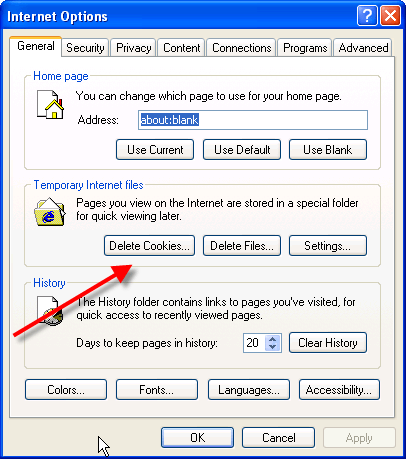
Find the Cookies Folder in Vista. Q: Where can I find the Cookies folder in Windows Vista? When I ran Windows XP, I put a shortcut to the Cookies folder on my desktop. When I went to a Web site, I could quickly see how many cookies a site was putting on my computer and delete them if I wanted to. I've tried searching in Vista but haven't had much luck.


Please help!—Walter Nowak. A: To find just about anything in Vista, you simply start typing its name at the Start menu.
When you type cookies, it points you to C: \Users\username\cookies—great! Great, that is, until you click on the link and get an . In actual fact, that path is just a kind of pointer. The cookies are stored in a completely different location. Open Windows Explorer, press F1. Tools . Click the View tab. Find the option to Show hidden files and folders and check it.
Find Hide protected operating system files and uncheck it (Vista will gripe). Now you can navigate to the actual location, which is twofold: C: \Users\username\App. Data\Roaming\Microsoft\Windows\Cookies and C: \Users\username\App. Data\Roaming\Microsoft\Windows\Cookies\Low.
If you like, you can put shortcuts to these on the desktop or elsewhere—just right- drag the folder, let go, and choose Create shortcut(s) here. These shortcuts will work even if you change the Windows Explorer options described above back to their default values.


/http%3A%2F%2Fph-live.slatic.net%2Fcms%2FPROJECT%20HERCULES%2Ftorque_long.jpg)
/http%3A%2F%2Fwww.ghostadventurescrew.com%2Fweb%2Fwp-content%2Fuploads%2F2014%2F06%2Fghost_ss_linda-vista-hospital_005_596x334.jpg)
/http%3A%2F%2Fwww.hwp.ru%2FTvtuners%2FPinnacle.usbvista%2FPinnacleusbvistakit-1.jpg)
/https%3A%2F%2Fae01.alicdn.com%2Fkf%2FHTB19LeiQVXXXXX3XVXXq6xXFXXXa%2FTenda-AC9-1200M-Smart-Dual-Band-802-11AC-2-4G-5GHz-Gigabit-Wireless-WiFi-Router-Repeater.jpg)